

Travel trends 2026: UAE travellers embrace AI planning and experience-first trips
Immersive cultural moments replace traditional sightseeing priorities
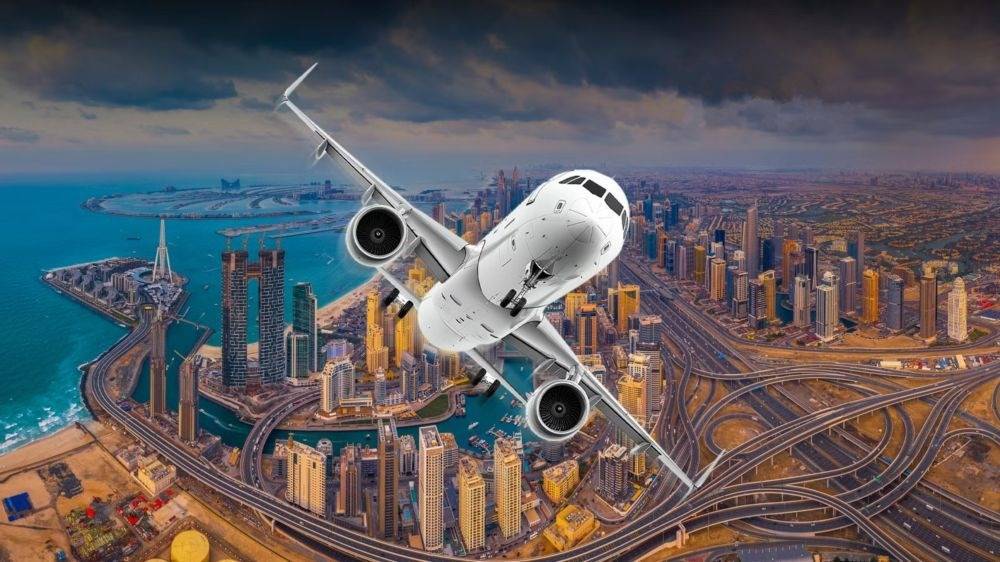
DUBAI – WINGIE, a leading travel marketplace in the MENA region, has revealed its key travel trends for 2026, signalling a notable evolution in how people in the UAE and wider region plan and experience their journeys.
While traditional holidays remain firmly in place, travellers are increasingly moving towards more meaningful, personalised and technology-driven trips. The findings point to a strong shift in motivations, with experience, wellness and digital convenience now playing central roles.
The marketplace reports that travellers are no longer satisfied with simply visiting landmarks. Instead, they are prioritising deeper engagement, cultural immersion and trips that deliver lasting personal value. At the same time, digital tools, particularly artificial intelligence, are transforming how journeys are researched, booked and managed. Social media and regional connectivity are also accelerating changes in travel behaviour, especially among younger audiences across the UAE and MENA.
Meaningful journeys
In 2026, travel is increasingly defined by experiences rather than checklists. WINGIE notes that travellers are seeking authentic and immersive moments, from local festivals and artisan workshops to traditional cuisine and community-based activities. The emphasis is on connection – with people, culture and heritage – rather than fast-paced sightseeing.
The MENA region is seen as especially well placed to meet this demand. Its cultural diversity, historic depth and strong traditions offer travellers opportunities to participate rather than observe. Hands-on craft experiences, regional culinary trails and cultural celebrations are becoming central features of itineraries. For UAE residents, who are already accustomed to multicultural environments, this appetite for richer, story-driven travel aligns with a broader desire for purposeful leisure.
Focus on wellness
Wellness tourism continues to expand, with a particular rise in so-called glowcations — trips designed around beauty, skin health and visible rejuvenation. These holidays focus on tangible outcomes, combining relaxation with structured programmes aimed at physical and aesthetic wellbeing.
Personalised wellness retreats, targeted fitness regimes, advanced spa treatments and specialised beauty therapies are all gaining traction. Travellers are looking for programmes tailored to individual goals rather than generic relaxation breaks. The trend reflects a growing overlap between lifestyle, health and travel, with holidays increasingly seen as an investment in long-term wellbeing rather than a temporary escape.
Smart planning
Artificial intelligence is playing a growing role across every stage of the travel journey. WINGIE highlights the rapid uptake of AI-powered tools that generate itineraries, recommend destinations and adapt plans based on user preferences and past behaviour. These systems help travellers navigate an expanding range of options while saving time and reducing complexity.
Technological adoption in the region is described as high, with digital tools streamlining booking processes, route planning and post-trip services. AI is also enabling more customised experiences, offering suggestions that align with individual travel styles, budgets and interests. From discovery to return, the process is becoming more seamless, data-driven and responsive.
Social discovery
Social media remains a powerful driver of destination discovery. Influencers and digital creators continue to spotlight lesser-known locations, shaping travel aspirations and encouraging exploration beyond traditional hotspots. Visually distinctive and culturally rich destinations are particularly well positioned to benefit from this exposure.
This dynamic is especially evident among younger travellers in the MENA region, who rely heavily on digital platforms for inspiration. Short-form video, curated travel content and peer recommendations are influencing not only where people go, but also how they structure their trips. The line between digital content consumption and travel planning is becoming increasingly blurred.
Alongside these behavioural shifts, regional travel within MENA is expanding. Improved infrastructure, simplified visa processes and stronger regional cooperation are making cross-border journeys easier and more attractive. Destinations such as Saudi Arabia, the UAE and Egypt are becoming more closely connected, offering a blend of historical, cultural and contemporary experiences within relatively short travel times.
WINGIE’s outlook also reflects the company’s position within the regional travel technology landscape. Operating platforms including wingie.com, sa.wingie.com, wingie.ae and enuygun.com, the Wingie Enuygun Group provides access to flights as well as a wide range of travel products such as hotels, rental cars and bus tickets. The group emphasises innovation, particularly through advanced AI applications and virtual interlining for flights.
Available in six languages, the platform employs more than 400 people and attracts around 200 million visitors annually. Its scale and technological focus place it among the prominent digital players in the MENA travel marketplace, as demand for smarter, more personalised travel solutions continues to rise in the run-up to 2026.